Guide 7 min read

Sustainable & Contemporary

Considered Production Over Constant Turnover

Sustainability in Belgian fashion tends to look less like a marketing label and more like an operating model: smaller runs, European manufacturing, and natural fibers chosen for durability. Gigue and FAM the label both build around that model.

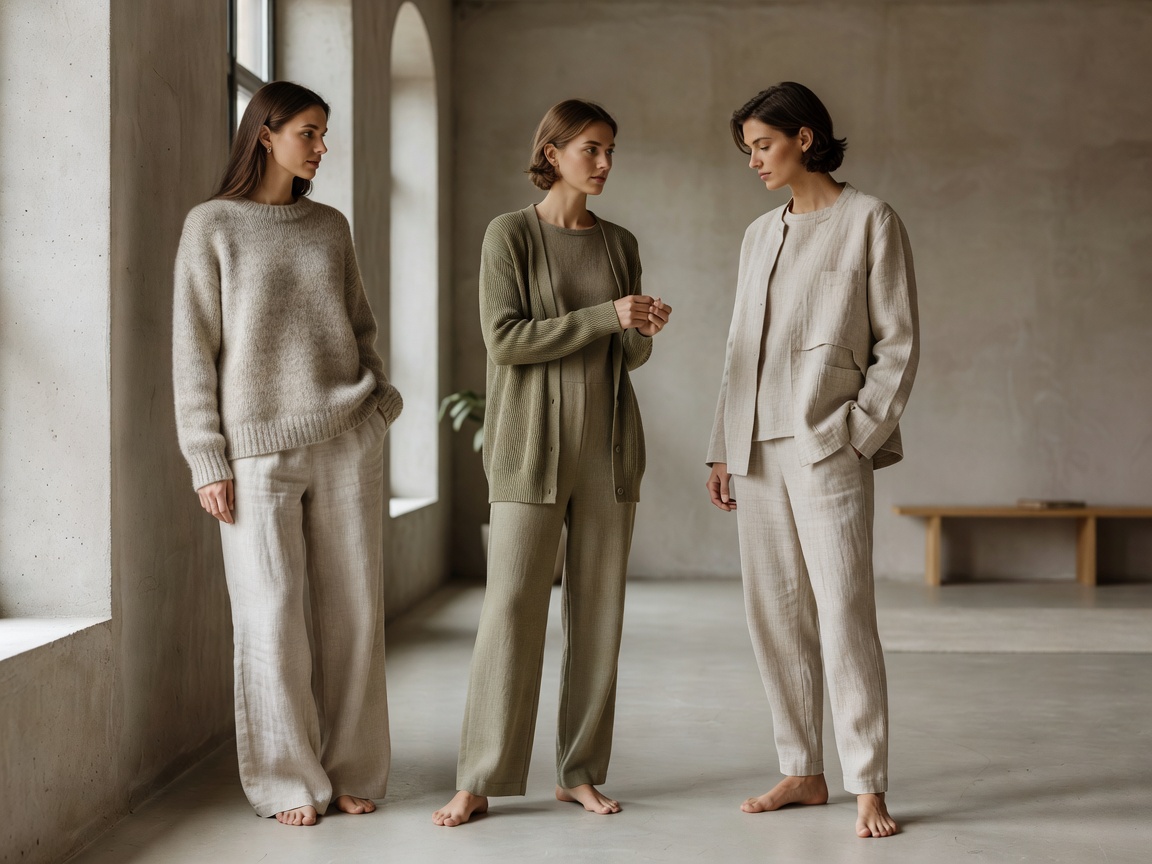
Natural fibre knitwear and relaxed tailoring representing sustainable contemporary Belgian fashion

"Sustainable" is a heavily used word in fashion marketing, so it helps to look at what a label actually does rather than what it claims. In the Belgian contemporary space, the more credible signals tend to be: manufacturing kept within Europe rather than outsourced to the lowest-cost region, natural or recycled fiber content prioritized over synthetic blends, and production planned around made-to-order or small-batch runs rather than speculative overproduction.

Contemporary, in this context, describes the price and design positioning — pieces meant for everyday wear rather than occasionwear or investment pieces, priced above fast fashion but below designer luxury. It's a category built for buyers who want a more considered wardrobe without stepping into luxury pricing.

Brand Profiles

Knitwear Everyday Wear

Gigue

Gigue focuses on feminine, artisanal knitwear and easy silhouettes designed for comfortable, everyday wear. The label leans into soft construction and wearable proportions rather than statement-making shapes, positioning it as a considered basics option within the contemporary tier.

Relaxed Tailoring Fabric-Led

FAM the label

FAM the label works around relaxed tailoring and a stated emphasis on considered fabric sourcing, translating that into separates and outerwear meant to move between casual and slightly elevated occasions. The label sits firmly in contemporary pricing rather than luxury.

How They Compare

Brand Sustainability Approach Category Price Tier
Gigue Small-batch, natural fibers Knitwear & separates Mid-range
FAM the label European manufacturing focus Relaxed tailoring & outerwear Mid-range

Pros and Cons of Sustainable Contemporary Labels

Strengths

  • More transparent supply chains than typical fast-fashion alternatives.
  • Durable natural-fiber pieces built for repeated wear rather than a single season.
  • Price positioning that's more accessible than luxury or investment labels.

Considerations

  • Made-to-order production can mean longer wait times than instant-checkout retail.
  • Design language tends toward understated basics rather than statement pieces.
  • Smaller labels may have limited size-inclusivity compared to larger retailers.

Want Help Building a More Considered Wardrobe?

We can walk you through sizing, fabric notes and stockist details for these labels.

Contact Our Editors