Guide 7 min read

Antwerp Avant-Garde

Structure, Sculpture and Small-Batch Craft

Antwerp's avant-garde reputation was built on a design philosophy that treats clothing as construction problem first, decoration second. That philosophy is alive in a newer generation of independent labels working in footwear, knitwear and tailoring.

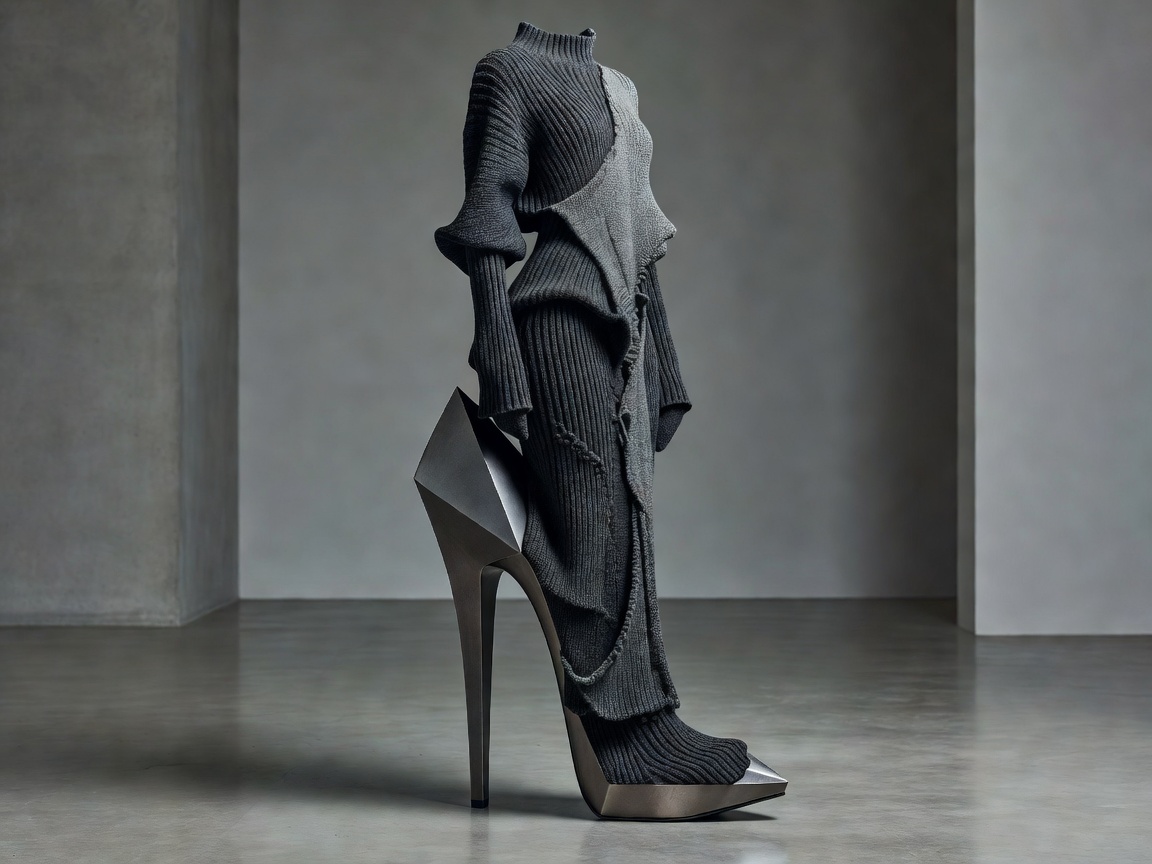
Sculptural heel and structural knitwear silhouette in the Antwerp avant-garde design tradition

Antwerp's academy tradition has always encouraged designers to think of a garment as an engineering exercise: how does fabric bend, where does the body's structure end and the fabric's structure begin, and what happens when you push a familiar shape past its usual proportions. That approach is what separates "avant-garde" from simply "unusual" — the experimentation has a logic to it, even when the result looks radical on the hanger.

Today, that lineage continues through independent labels that operate on a small scale by choice rather than necessity. Rather than chasing seasonal mass production, these designers release limited runs, often selling through their own sites and a handful of curated stockists. The result is clothing that reads as considered rather than disposable, but that also comes with real trade-offs for anyone used to shopping mainstream fashion cycles.

What "Avant-Garde" Means in Practice

In the Antwerp context, avant-garde design usually shows up in one of three ways: unconventional pattern-cutting that reshapes where seams and volume sit on the body; material experimentation, where technical or unexpected fabrics are pushed into traditional garment shapes; and presentation as performance, where collections are shown as much like an exhibition as a commercial preview. None of this necessarily means impractical clothing — many of these pieces are designed to be worn daily — but it does mean a learning curve in styling and fit expectations compared to more conventional ready-to-wear.

Brand Profiles

Footwear & Knitwear Small-Batch

Julie Kegels

Julie Kegels approaches footwear and knitwear as architectural objects rather than accessories. Signature pieces favor sculptural heel structures and exposed construction details, treating the shoe or knitted garment as a wearable study in form. The label's scale keeps releases limited, which supports a strong point of view but means sizing runs and restocks are less predictable than mainstream footwear brands.

Tailoring & Outerwear Limited Runs

ORTA

ORTA builds womenswear around draping and tailoring reimagined through an architectural lens, often working technical fabrics into classic tailoring vocabulary like coats, blazers and structured separates. The label favors considered, limited production over constant seasonal turnover, which keeps collections feeling deliberate rather than trend-chasing.

How They Compare

Brand Signature Category Aesthetic Language Production Scale Price Tier
Julie Kegels Footwear & knitwear Structural, sculptural Small-batch Investment
ORTA Tailoring & outerwear Architectural draping Limited runs Premium to investment

Pros and Cons of Buying Avant-Garde Antwerp Design

Strengths

  • Distinct, less-replicated silhouettes that stand apart from mass-market fashion.
  • Supports independent ateliers rather than large fashion conglomerates.
  • Small-batch production often means better construction attention per piece.

Considerations

  • Higher price per piece relative to mainstream contemporary brands.
  • Limited sizing runs and infrequent restocks.
  • Some pieces require more confidence and styling experimentation to wear day-to-day.

Have Questions About Antwerp's Design Scene?

Our editors can point you toward stockists, sizing notes, or the right label for your wardrobe.

Contact Our Editors